
Guests
Ysaline Moreau
On this page
Their faces
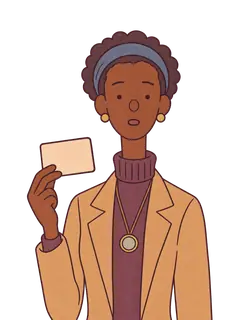
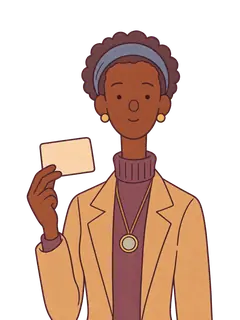
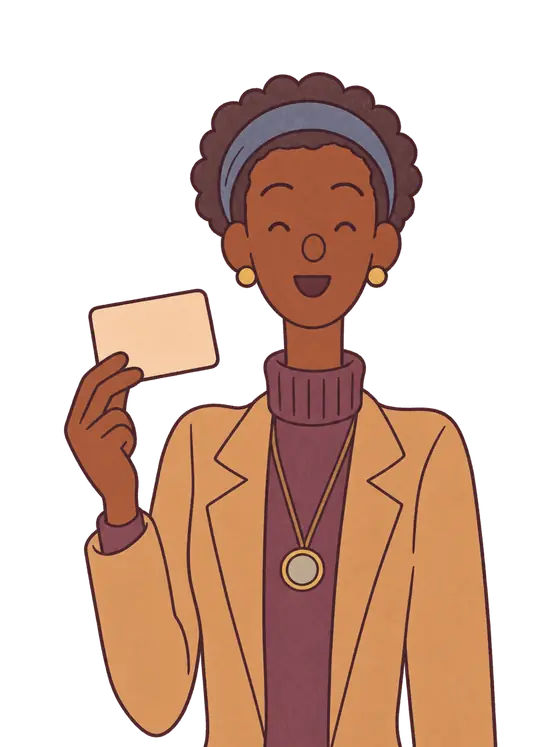
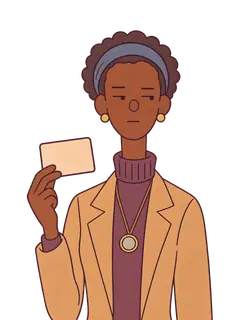
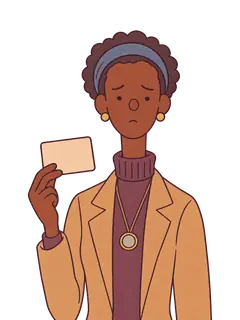
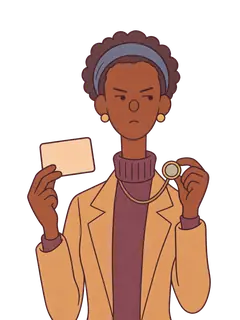


What Ysaline Moreau says
How they order
Ysaline Moreau has 8 written orders, heard over the year as the kitchen learns new fillings and techniques; after those, the game makes up more in the same voice. A few of them:
“A complète: ham, egg, Emmental on buckwheat, the envelope. Crisp. A museum piece.”
In plain words Ham, Emmental and egg on buckwheat. A square envelope. Crisp.


“Late nineteenth-century fold: the envelope. Mushroom and Emmental, a galette. Golden.”
In plain words Mushrooms and Emmental on buckwheat. A square envelope. Golden.

“Butter, as on Maëlle's first menu: pale, the envelope. Faithfully restored.”
In plain words Butter. A square envelope, not a triangle. Pale and soft.

“Lemon and sugar, the classic three-corner form. Golden. Mid-century, unrestored.”
In plain words Lemon and sugar. A triangle. Golden.

In Ysaline Moreau’s words
When Ysaline Moreau makes an order up, these are the words for a fold and for how it is cooked:
| They mean | They say |
|---|---|
| Triangle | “the classic three-corner form” |
| Square envelope | “the period envelope” |
| Rolled | “the early rolled type” |
| Pale and soft | “pale, as conserved” |
| Golden | “golden, original finish” |
| Crisp | “crisp, well preserved” |
The usual
Once Ysaline Moreau has a favourite, the order stops being spelled out: the usual is La Forestière, golden. It sounds like this: “The usual, Madame. From the permanent collection.” See the usual.
Not sure what they mean? Ask. See orders.
Ysaline Moreau’s story: On loan
“On loan” unfolds over four visits, told a little at a time across the counter. Somewhere along it comes a question, and your answer changes one thing you will see and one thing the till feels. Both answers are kind; neither is wrong.
“The museum is planning a show about the street. One object from every shop, lent.”
— how it begins
Spoiler The whole of “On loan”, its question and its keepsake
- “The museum is planning a show about the street. One object from every shop, lent.”
- “I found La Lanterne in a photograph from 1971: your aunt at the griddle, laughing.”
- “I'd like one thing from La Lanterne for the show. Or the photograph, framed, for you.”
- “The show opened. Forty people. Most of them stood in front of your aunt. (or, after the other answer: “The show opened. Your ladle had the best case. People queued to look at a ladle.”)”
The question: Ladle to the show, or photo to the wall?
- Lend her Maëlle's old ladle till spring. Ysaline Moreau: “Your aunt's ladle! Mid-century, much used. I'll write the label tonight. Back by spring.” (Museum visitors come to see where it came from: the arts crowd tips 5% more.)
- Ask her for a copy of the photograph. Ysaline Moreau: “A copy, framed, for your wall. Your aunt laughing. It belongs here first.” (Your aunt on the wall: ambience +1.)
From the museum: The exhibition label, on cream card: 'La Lanterne, Rue des Hirondelles. 1971 to today.'

The exhibition label Typed on cream card for the street exhibition. Ysaline added the last line by hand: 'Still in use.'
Who Ysaline Moreau knows


Presents
From Yann the pedlar’s cart, Ysaline Moreau would love a little stand for a loupe.
Friendship
Spoiler What Ysaline Moreau says as you become friends
As you become friends:
- A regular: “I've opened a file on La Lanterne. It's thicker than most.”
- A friend: “You're on the museum's list of 'living heritage'. It's a short list.”
- A dear friend: “If the museum ever shows crêpes, the label will have your name.”
- Family: “Of the whole street, you're the piece I'd never put behind glass.”
When a present arrives:
- “A stand for my loupe! Now it can rest, like a proper exhibit.”