
Guests
Marie-Josée Lebrun
On this page
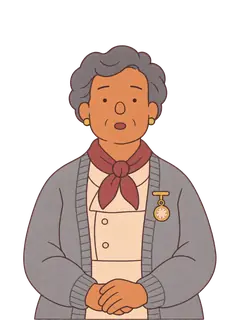
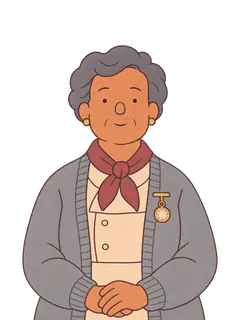
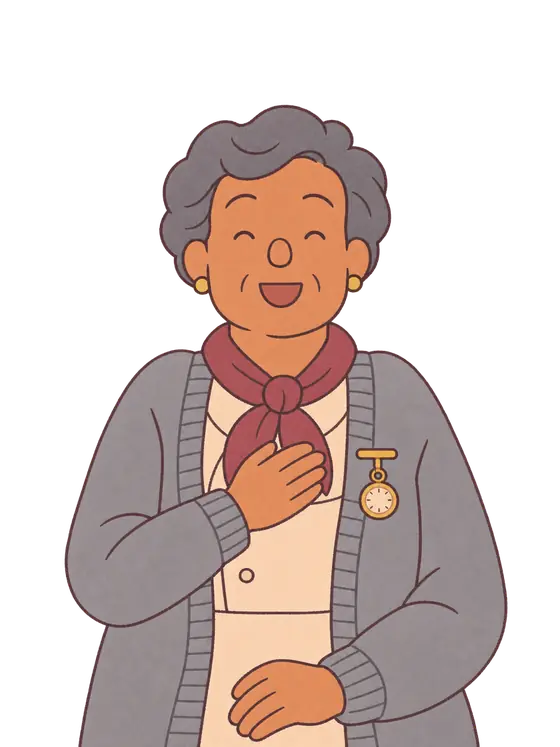
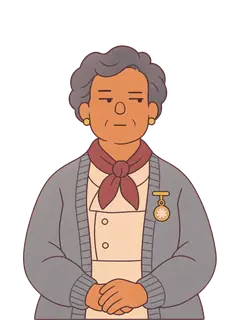
Their faces
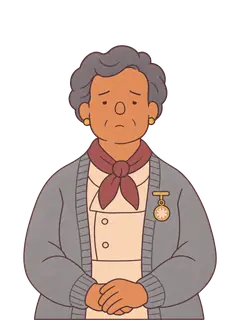
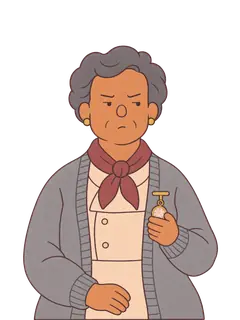


What Marie-Josée Lebrun says
How they order
Marie-Josée Lebrun has 8 written orders, heard over the year as the kitchen learns new fillings and techniques; after those, the game makes up more in the same voice. A few of them:
“End of a run of nights. Lemon curd and whipped cream, square. Pale. Then bed.”
In plain words Lemon curd and whipped cream. A square envelope. Pale and soft.


“You first. Then you. Then me: honey, rolled. Pale, it keeps better till three.”
In plain words Honey. Rolled. Pale and soft.

“The fruit that puckers juniors, sugared. Three corners. Pale. It wakes a ward at four.”
In plain words Lemon and sugar. A triangle. Pale and soft.

“Third night of four. Stewed apples and butter, rolled up like a night blanket. Golden.”
In plain words Apple compote and butter. Rolled. Golden.


In Marie-Josée Lebrun’s words
When Marie-Josée Lebrun makes an order up, these are the words for a fold and for how it is cooked:
| They mean | They say |
|---|---|
| Triangle | “three corners, like the old caps” |
| Square envelope | “square, ward corners” |
| Rolled | “rolled, blanket-snug” |
| Pale and soft | “pale, lights-out soft” |
| Golden | “golden as the corridor lamps” |
| Crisp | “crisp as a fresh apron” |
Not sure what they mean? Ask. See orders.
Marie-Josée Lebrun’s story: Third nights
“Third nights” unfolds over four visits, told a little at a time across the counter. Somewhere along it comes a question, and your answer changes one thing you will see and one thing the till feels. Both answers are kind; neither is wrong.
“Third night of four is the hardest. Whoever's on brings something. This week, it's me.”
— how it begins
Spoiler The whole of “Third nights”, its question and its keepsake
- “Third night of four is the hardest. Whoever's on brings something. This week, it's me.”
- “Soon I hand over the head job. I'm keeping my third nights. They're planning speeches.”
- “I've said no speeches. So they asked what I want instead. I don't know. What would you do?”
- “Handed over. I'm on the rota now, third nights, like anyone. Nobody's in charge of me. (or, after the other answer: “Handed over. Your counter at closing, the whole night staff, and not one speech. Perfect.”)”
The question: How should her handover be marked?
- A send-off night, here. Marie-Josée Lebrun: “The whole night staff, at your counter, at closing. No speeches. Crêpes. Agreed.” (The night staff remember you: night-shift guests tip 10% more.)
- A third-night tin, every week. Marie-Josée Lebrun: “A tin from you every week, long after I've handed over. Better than any speech.” (The night ward's tin: one more takeaway slip a week.)
From the night ward: Her old badge: 'M.-J. Lebrun, Head of Nights'. 'The new one just says Nights. Suits me.'

A night-ward name badge Pinned to a cardigan for forty-one years of nights. The pin still works; she checked.
Who Marie-Josée Lebrun knows


Around the street
Marie-Josée Lebrun also has a word to say in 1 of the street’s little moments.
Presents
From Yann the pedlar’s cart, Marie-Josée Lebrun would love an owl night-light.
Friendship
Spoiler What Marie-Josée Lebrun says as you become friends
As you become friends:
- A regular: “You've been entered on my list of reliable people. It's a short list.”
- A friend: “The night staff heard about you. They want shifts that end near here.”
- A dear friend: “I sit down here. I don't sit down anywhere. That's a compliment.”
- Family: “You're top of my reliable list now. Inès is second. That's the list.”
When a present arrives:
- “An owl. For the corridor. He'll keep watch while I blink.”